
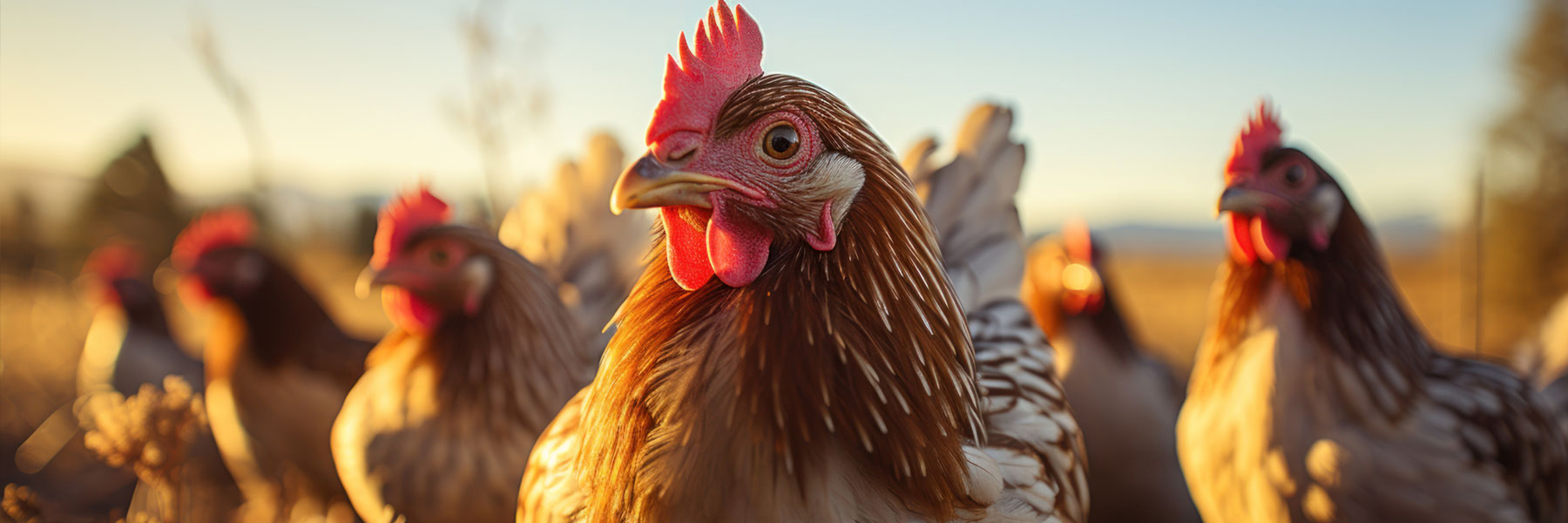
Betaine has been used in broiler nutrition for many years. Betaine is a functional nutrient commonly used as a feed additive in animal nutrition, mainly as methyl donor. Scientific proof has been provided to show that betaine improves production performance, to replace other methyl group donors, to assist birds during heat stress and to improve slaughter characteristics.
About the Product
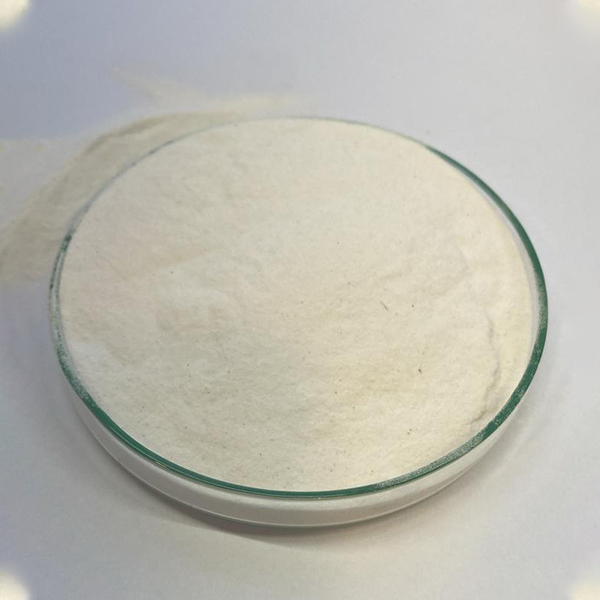
Betaine HCL 98% is produce by using TMA, Sodium carbonate & Hydrochloric acid. The properties of betaine derive from Nature or synthetic products are equal, unveiling a cheaper, non hygroscopic & non seasonal source of betaine HCL for feed industry. Betaine is the most important carrier of preformed, transferable methyl groups in diets for poultry.
Methyl groups are required for synthesis of numerous substances such as creatine, phosphatidylcholine, carnitine, adrenaline, methyl purines as well as methylated amino acids. Betaine (trimethylglycine) functions very closely with choline, folic acid, vitamin B12, and a form of the amino acid methionine known as S-adenosylmethionine (SAMe). All of these compounds function as “methyl donors.” They carry and donate methyl molecules to facilitate necessary chemical processes. Betaine is well established in literature as an osmolyte, enabling cellular efficiency to decrease energy needs so livestock can live up to its full potential in production.
Benefits & Uses of Betaine HCL
- Betaine hydrochloride is an efficient methyl group supplier and can be used to partially replace methionine and choline chloride in feed rations to decrease formulation costs.
- Improved digestibility and intestinal cell growth in livestock and poultry have been associated with added betaine. These factors are attributed to improved water retention of the animal and thus controlling excreta.
- Improving nutrient digestibility by supplementing betaine can also impact litter moisture. Adding betaine hydrochloride significantly reduces moisture by over 3% thus helping houses to manage litter moisture issue.
- Betaine hydrochloride has been found to increase lean weight gain and improve the meat quality.
- Betaine hydrochloride has been found to be highly effective in increasing the survival rate of juvenile fish and shrimp.
- As a potent osmolyte, betaine enables animals to be better equipped to handle environmental stress which is a daily occurrence for layers in peak production. The osmotic properties of betaine were hypothesised to be stored into the egg, allowing the egg to reduce cell and protein degradation associated with egg quality.
- By reducing mortality and litter moisture, betaine is a useful tool for producers to improve overall layer liveability.
- By increasing the efficiency of osmoregulation, betaine present in surplus may be reducing protein degradation in the egg, thereby improving egg quality and prolongs freshness.
- Improved resistance to coccidiosis
- Improves Carcass Quality